What Are the Challenges of Digital Marketing?

Today, digital marketing feels like a double-edged sword. On one hand, the opportunities seem endless: reaching global audiences, personalised messages, real-time analytics. On the other hand, the pace of change, the complexity, and the sheer volume of tasks can leave many marketers feeling overwhelmed. In this post, we’ll walk through some of the key challenges that digital marketers face today — and we’ll anchor each one with actual data so the issues aren’t just theoretical. Let’s get started.
Table of Contents
Challenges in Digital Marketing
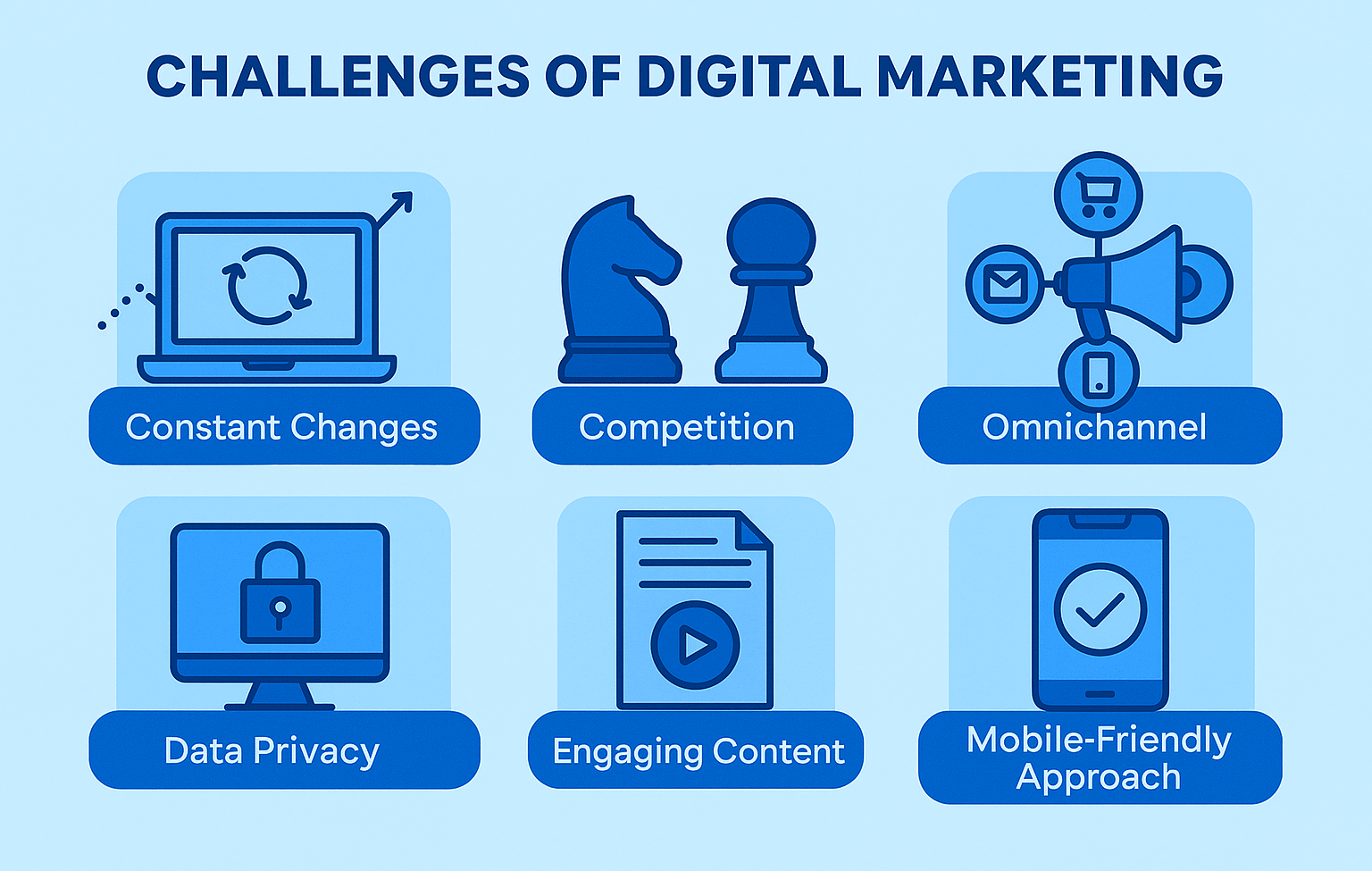
Constant Changes

The digital landscape doesn’t stand still. New platforms, algorithm updates, privacy laws, and consumer behaviours shift constantly. According to The Marketing Meetup’s 2025 report, many marketers described their work as “uncertain” or “overwhelming” — only 56 respondents said their work was “calm”. (The Marketing Meetup)
This means, if you build a campaign today, you might find it undercut by a new feature or platform trend tomorrow. Staying updated becomes a full-time task in itself — and that’s a major challenge for teams that are already stretched.
Competition

As more brands shift online, the competition intensifies. The digital space is crowded, and standing out requires more than just showing up. For example, statistics show the global digital marketing industry is growing at a compound annual growth rate (CAGR) of about 13.9 %. (SEO.com)
With growth comes competition: more players, more content, more noise. That means your message must cut through, not just reach people.
Omnichannel & Multichannel Complexity
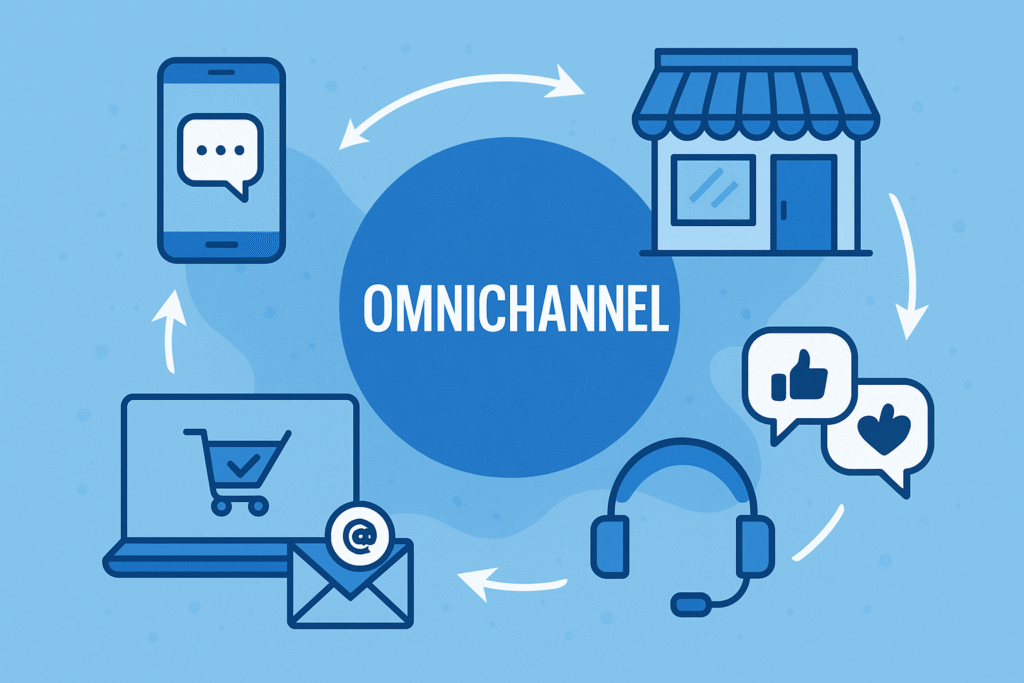
Consumers now expect to connect with brands across multiple channels — web, mobile, apps, social, offline steps etc. Managing an “omnichannel” experience is complex. For instance, research from HubSpot shows that many organisations still don’t clearly define their digital strategy: about 42% of organisations report not having a clearly defined digital marketing strategy. (MediaValet)
When you’re juggling multiple channels, platforms, messages and touchpoints — syncing them and maintaining consistency gets tricky. It’s a central challenge for many marketing teams.
Customer-Centric Market
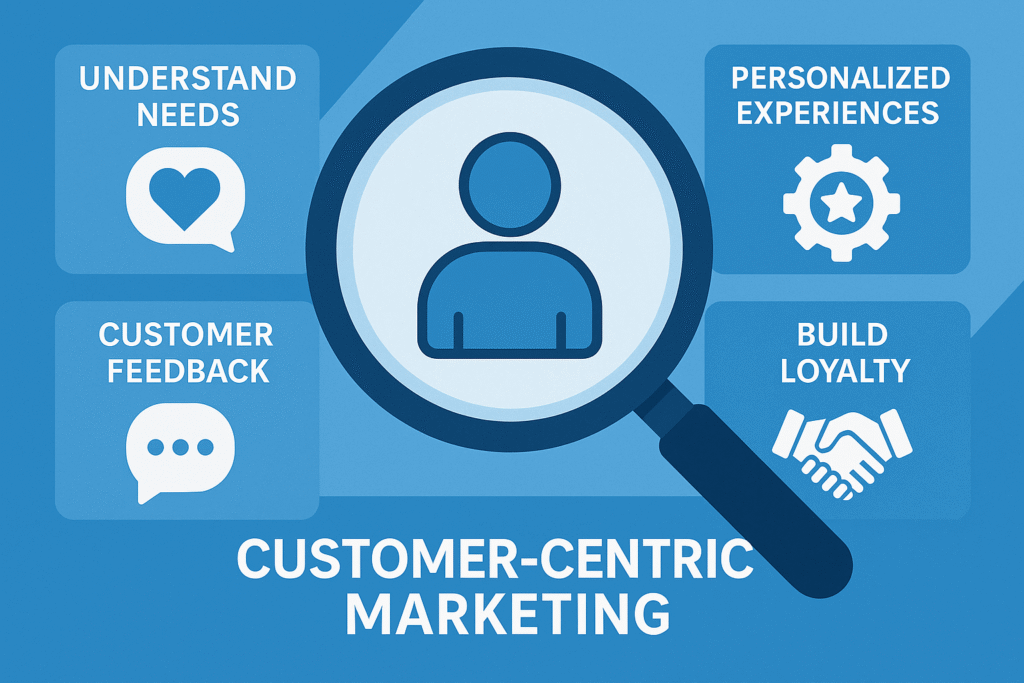
Today’s audience isn’t passive — they expect personalised, relevant experiences. And they expect brands to treat them as individuals, not just numbers. But delivering that at scale is hard. For example, studies note that increased regulation around privacy and data is making personalisation harder. (Invoca)
So the challenge: how to remain customer-centric when you’re dealing with mass platforms, large data sets, and shifting rules.
Data Privacy

Linked closely to the previous point, data privacy is now a major hurdle. Marketers increasingly face regulations (GDPR, CCPA), platform changes that limit tracking (cookie deprecation), and consumer pushback. For instance, articles highlight that “increased regulations on third-party tracking cookies … are making marketing personalization more challenging.” (Invoca)
When you cannot track users as easily or rely on old tools, you have to rethink how you measure performance, how you target audiences, and how you build trust.
Create Engaging Content

With so much content being published every second, being just present is not enough — you need to be engaging, unique, and valuable. The stats show that in video marketing, for example, 93% of marketers plan to spend the same or more on video in 2025, and video helps 96% of marketers improve brand awareness. (Sprout Social)
Creating that high-quality, relevant content demands creativity, resources, time — and that’s a big challenge for many especially smaller teams or brands.
Mobile-Friendly Approach

Mobile isn’t optional any more — it’s essential. In fact, one dataset notes that mobile devices account for approximately 63.38% of all website traffic. (Rankings.io)
If your site or campaign isn’t optimised for mobile, you’re leaving a lot of potential value on the table. Ensuring mobile optimisation, fast load times, responsive design, and mobile-first campaigns adds another layer of work.
Conclusion
Putting it all together: digital marketing offers massive potential, but it’s not without its hurdles. The rapid pace of change, fierce competition, channel complexity, customer expectations, privacy constraints, content demands, and mobile requirements all pile up. Recognising these challenges openly is the first step. The next is building processes, skills, and infrastructure that allow you to meet them with confidence — not just reaction.
If we accept that the digital world will continue evolving, then perhaps our mantra shifts from trying to keep up to learning to adapt and thrive. With that mindset, these “challenges” become stepping stones rather than stumbling blocks.

Muhilarasan is a Digital Marketing Freelancer specializing in SEO, content strategy, and online brand growth. He helps businesses improve visibility, attract the right audience, and build a strong presence across digital platforms.

Muhilarasan is a Digital Marketing Freelancer specializing in SEO, content strategy, and online brand growth. He helps businesses improve visibility, attract the right audience, and build a strong presence across digital platforms.
View All Articles