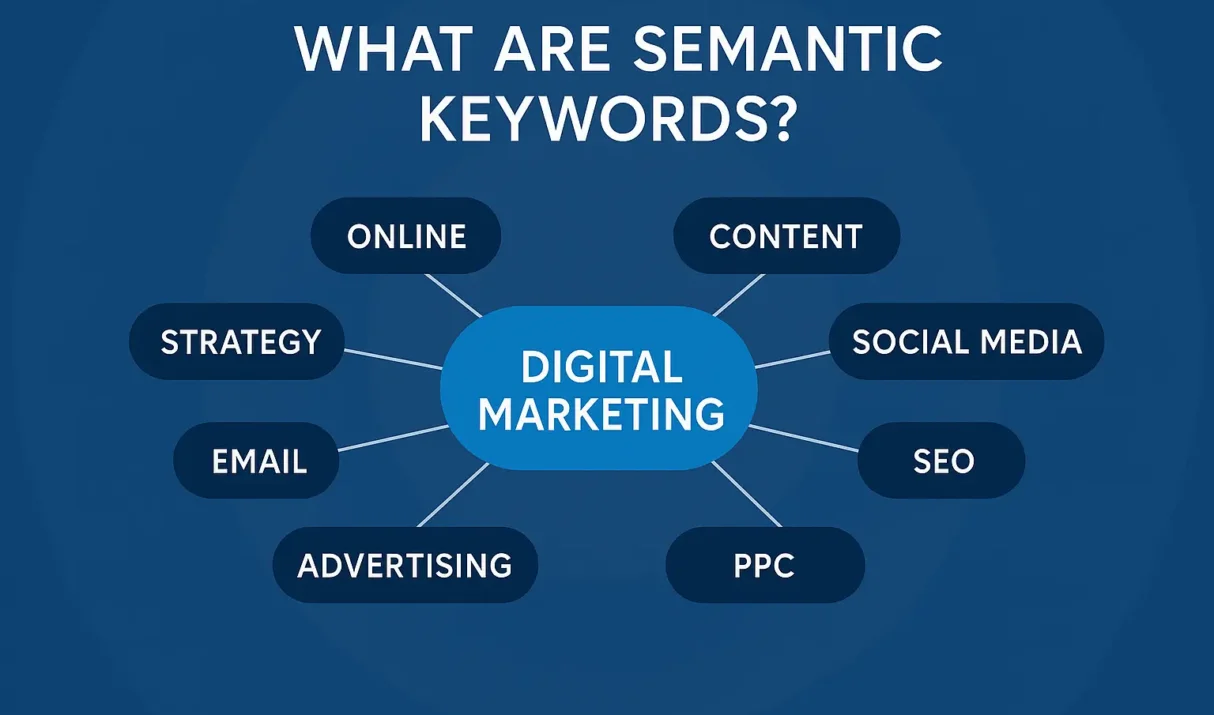

Search engines today are smarter than ever. They don’t just look at exact keywords — they try to understand meaning, context, and intent.This is where semantic keywords come in.Using them helps Google understand what your content is really about and improves your chances of ranking higher. Let’s dive in. What Are Semantic Keywords? Semantic keywords
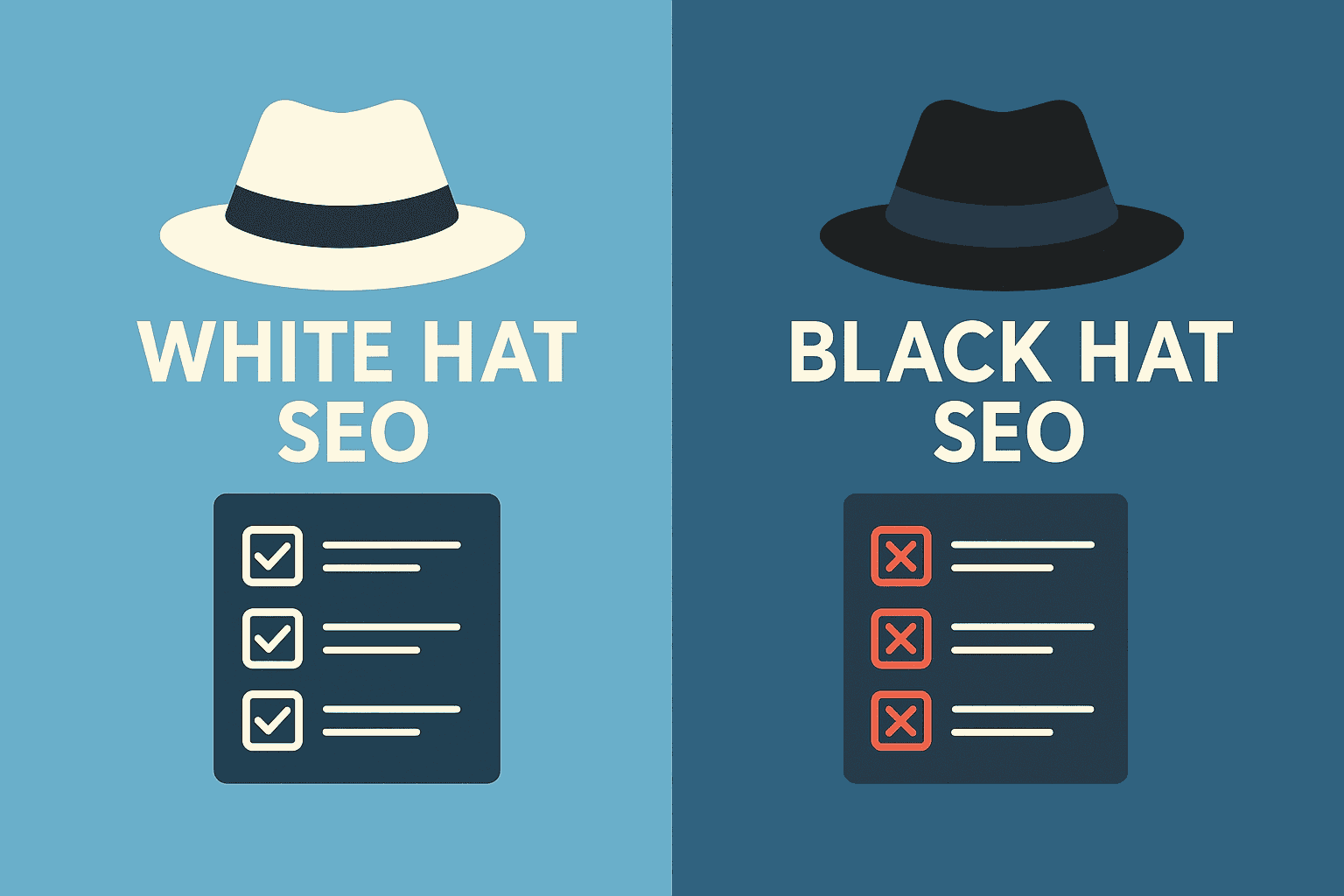
If SEO were a movie, White Hat SEO would be the noble hero playing by the rules — and Black Hat SEO would be the cunning villain trying to cheat the system. Both aim for the same goal: higher rankings on Google. But the difference lies in how they get there. One builds long-term trust,
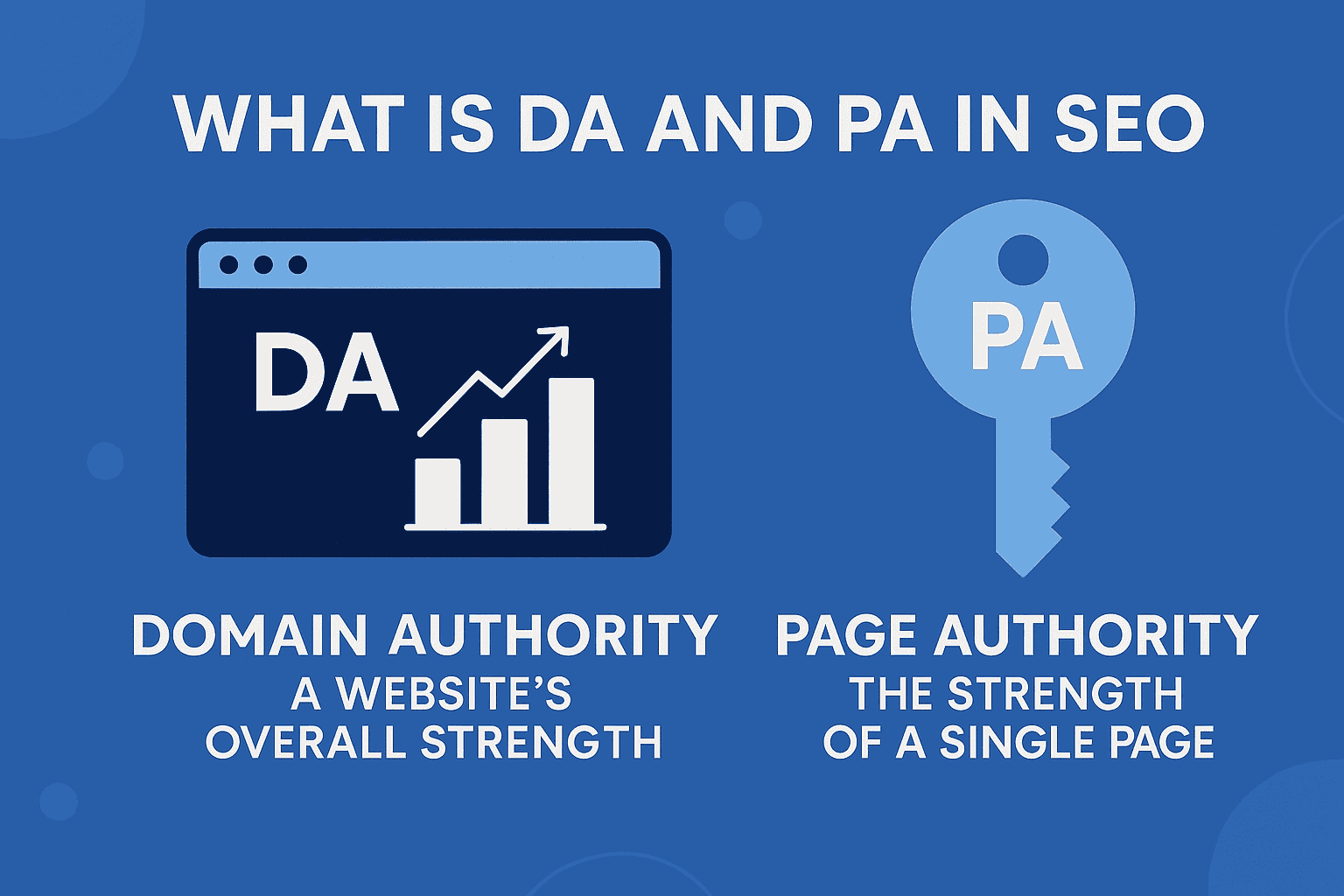
If you’ve ever checked your website’s SEO metrics, you’ve probably seen two mysterious numbers called DA and PA — and wondered, “Are these scores good or bad?” or “Do they even affect my rankings?” Don’t worry. You’re not alone. These two metrics — Domain Authority (DA) and Page Authority (PA) — are like the reputation
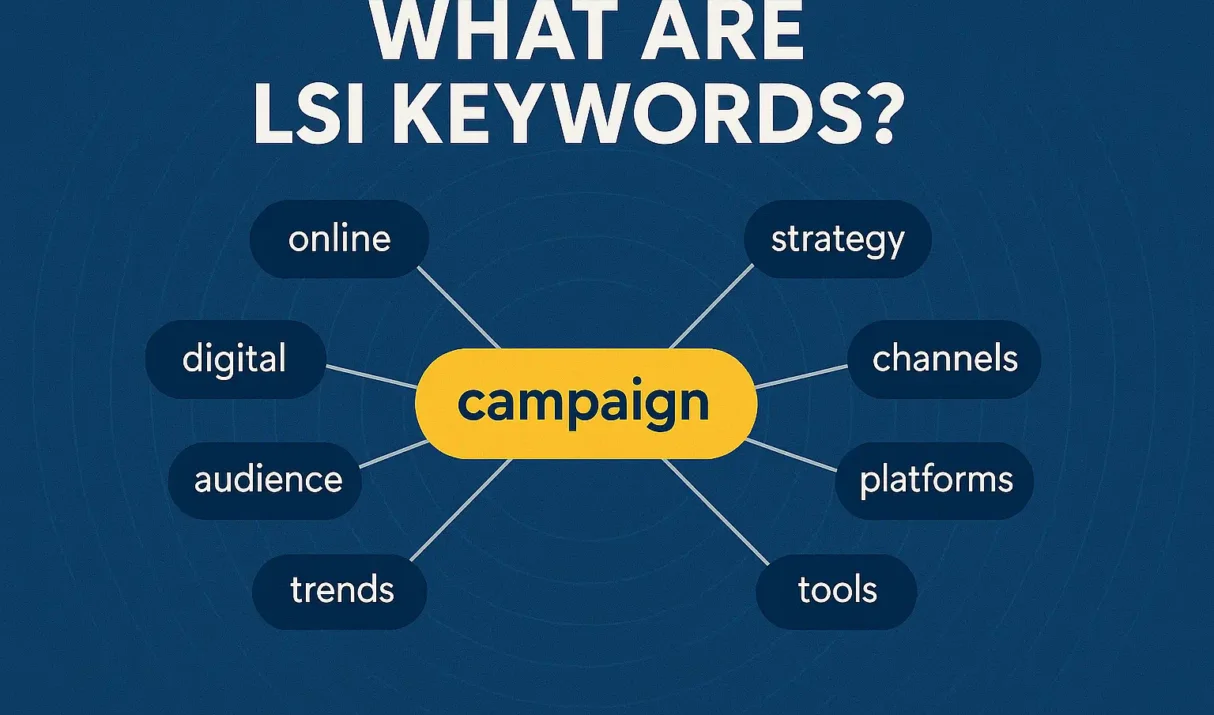
If you’ve been hanging around SEO discussions for a while, you’ve probably heard people toss around the term “LSI keywords” like it’s some mysterious ranking hack. You might even wonder — what on earth is LSI, and why does everyone sound so confident saying it? Let’s break it down simply. LSI stands for Latent Semantic
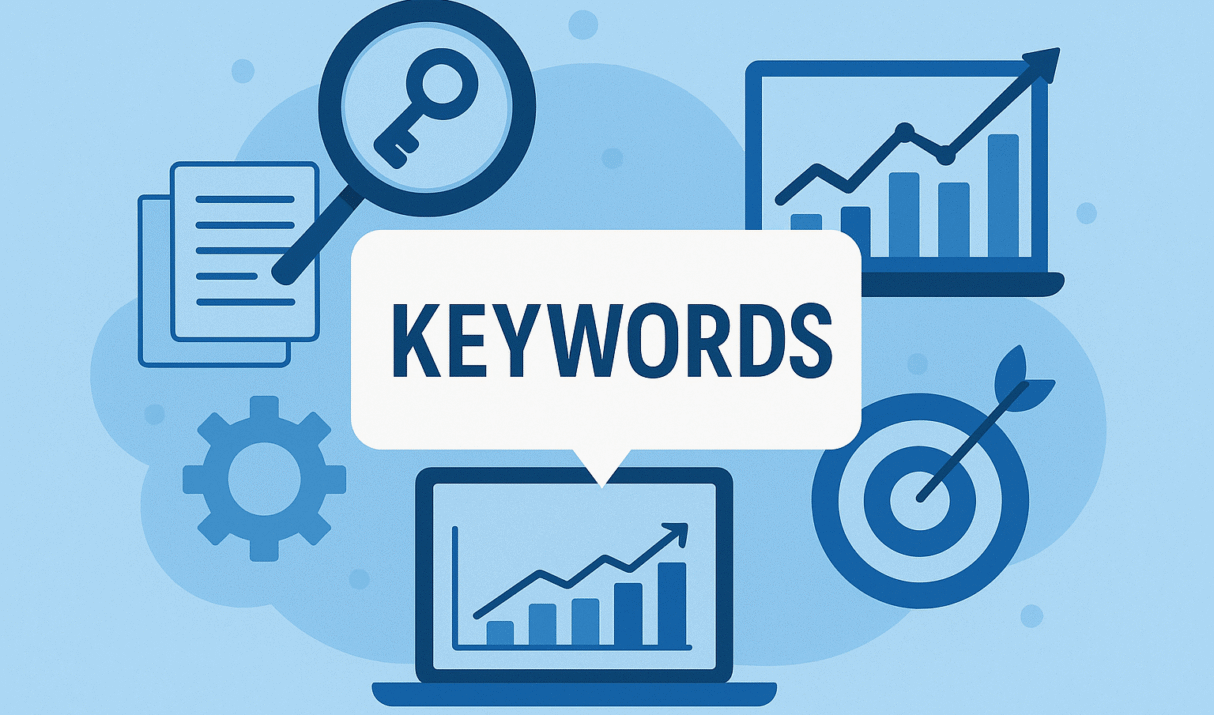
If digital marketing were a game of treasure hunting, then keyword research would be your map. Without it, you’re just wandering around with a shovel, hoping you’ll dig in the right spot. Every time someone types something into Google — from “best pizza near me” to “how to fix my life with SEO” — they’re