LSI Full Form in SEO (Does It Still Matters)

If you’ve been hanging around SEO discussions for a while, you’ve probably heard people toss around the term “LSI keywords” like it’s some mysterious ranking hack. You might even wonder — what on earth is LSI, and why does everyone sound so confident saying it?
Let’s break it down simply. LSI stands for Latent Semantic Indexing, a concept borrowed from computer science and information retrieval that made its way into the SEO world. But before you start thinking it’s some deep AI sorcery, let’s unpack what it really means (and doesn’t mean) for your website.
Table of Contents
What Are LSI Keywords?
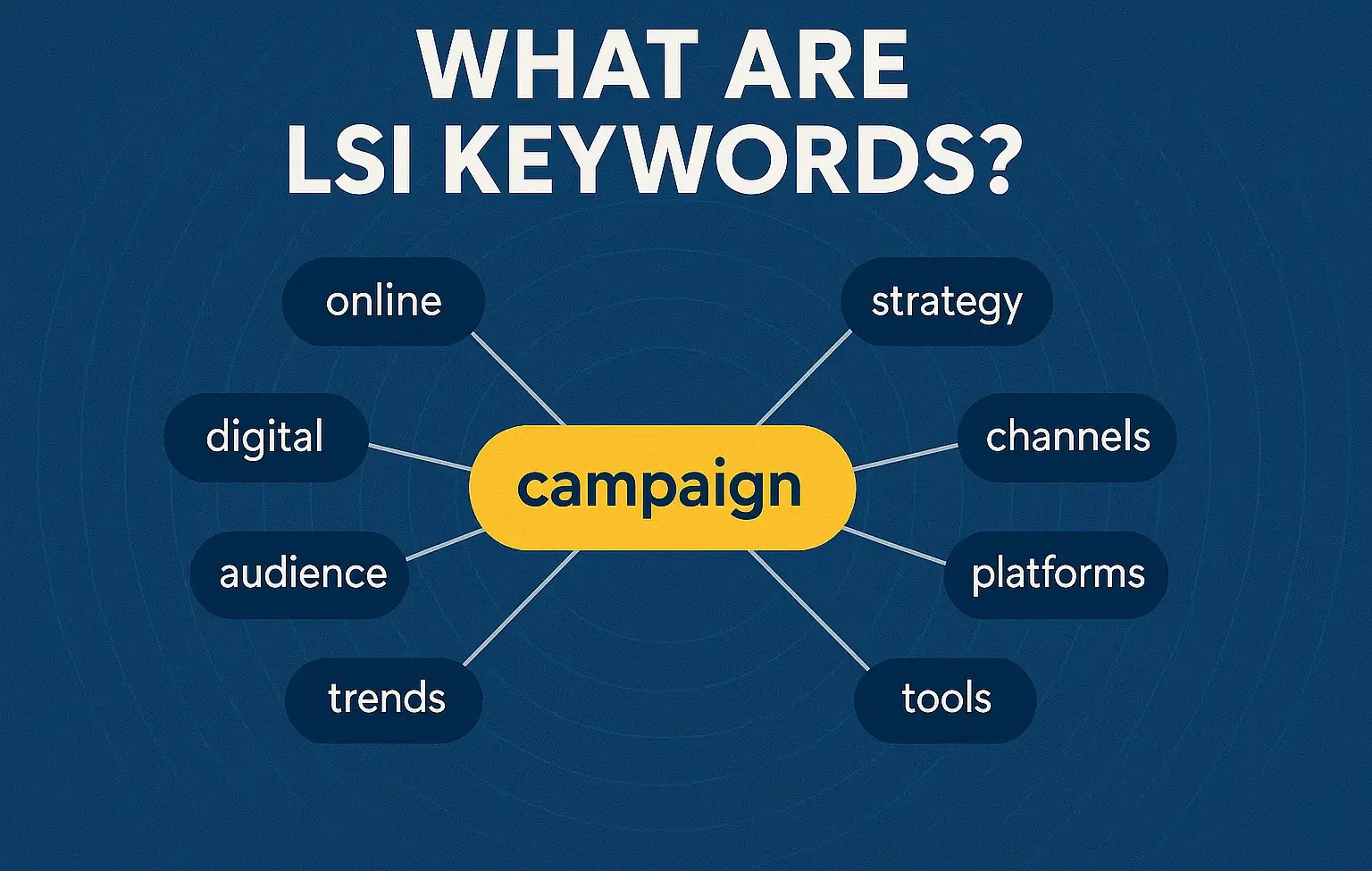
LSI keywords, or Latent Semantic Indexing, are words and phrases that are semantically related to your main keyword.
Think of them as the supporting cast that helps Google understand the context of your content. For example:
- Main keyword: Apple
- LSI keywords: fruit, orchard, nutrition, health benefits — if you’re writing about the fruit.
Or maybe iPhone, iPad, MacBook, technology — if you’re writing about the company.
LSI helps search engines figure out which “Apple” you mean.
So, these aren’t just synonyms; they’re contextual clues that strengthen your content’s meaning and relevance.
Are LSI Keywords Important?
Back in the early 2000s, Google primarily relied on the frequency of a keyword’s appearance on a page. That led to the infamous era of keyword stuffing — where “best shoes online” might be repeated 20 times in one paragraph.
Then Google got smarter. It started using semantic search — trying to understand the intent behind words.
Here’s where LSI keywords make a difference:
✅ They improve content relevance: Using related terms helps Google better understand your topic.
✅ They prevent keyword stuffing: You can naturally enrich your content without repeating the same keyword.
✅ They boost user experience: Readers find your writing more natural and useful because it covers the topic from multiple angles.
✅ They help with voice search: With conversational queries growing, LSI-related phrases make your content more aligned with how people actually talk.
By the practice of adding context words (which people mistakenly call LSI) is still useful.
Does Google Still Use LSI as a Ranking Factor?
Here’s the honest answer: Not directly.
Google has stated that it does not use LSI (Latent Semantic Indexing) as part of its ranking algorithm. The term LSI comes from 1980s technology that was never built into Google Search.
But the day after, things are going to change. Google no longer uses LSI. One of Google’s official John Muller confirms this.

Instead of relying on old LSI methods, Google now uses advanced systems like the Knowledge Graph, Natural Language Processing (NLP), AI, and Machine Learning to understand a page’s relevance.
So, rather than focusing on LSI, we should use semantic keywords and meaningful related phrases.
But before we get into that, let’s take a quick look at what LSI actually is—so stay with me and read the full post for a clear, bird’s-eye view.
How to Find LSI Keywords
Good news — you don’t need a Ph.D. in semantics to find LSI keywords. You can spot them easily using free or paid tools (and a little common sense).
Here are some simple ways:
Google Search Suggestions:
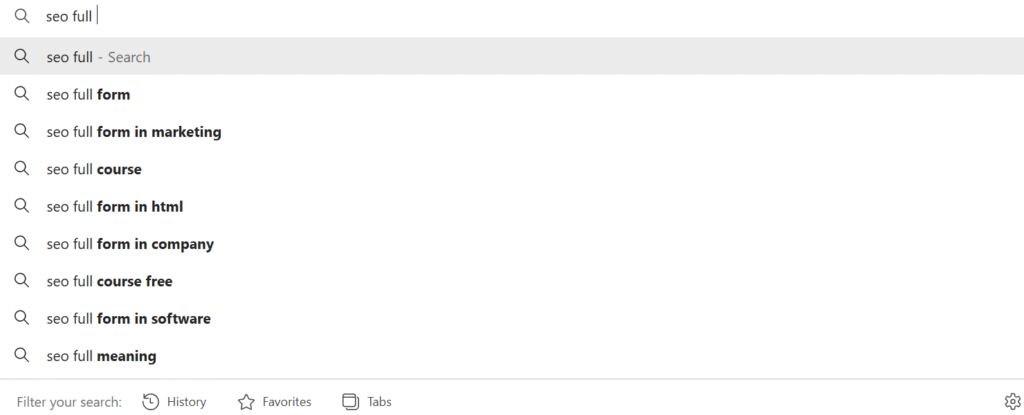
Start typing your main keyword in Google, and look at the autocomplete suggestions — they’re often semantically linked phrases.
“Related Searches” at the bottom of Google results:
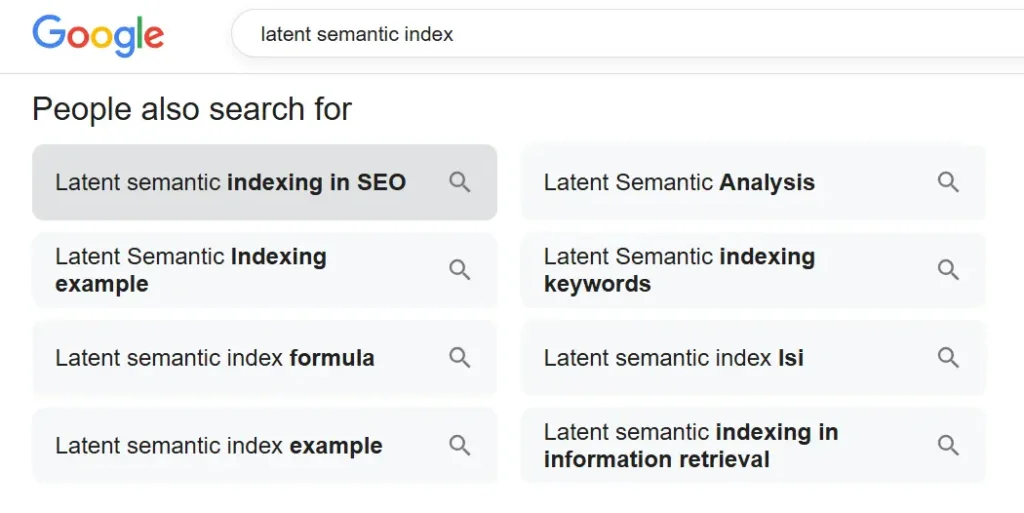
These eight blue links at the bottom of the SERP are pure gold for discovering related terms.
SEO Tools:
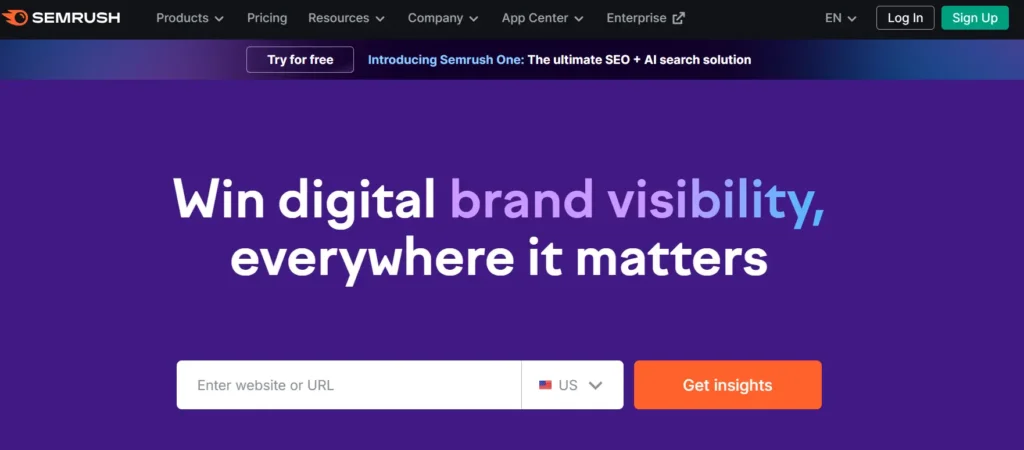
Tools like Ahrefs, Ubersuggest, or Semrush can generate LSI keywords for you in seconds.
Competitor Analysis:
Check the top-ranking articles for your keyword. Notice how they phrase ideas, what related terms they use, and how they structure their content.
ChatGPT (Yes, Really):
You can ask chatgpt to list semantically related keywords for any topic.
Google Trends
Type your main keyword in Google Trends and use the “Related Queries” results as practical LSI-style keywords people are currently searching.
Bold Terms in Meta Descriptions
When you search your keyword on Google, the bold words in meta descriptions indicate the terms Google considers contextually related to your topic.
How to Use LSI Keywords in Your Content
The trick is to use them naturally — not mechanically.
Here’s a simple framework:
- In the title & subheadings: Sprinkle 1–2 related terms where they make sense.
- In the introduction: Use one early on to signal context.
- Throughout the body: Naturally include variations while explaining your topic.
- In image alt text or captions: Helps search engines understand your visuals.
- In meta description: A subtle place to reinforce topical relevance.
Pro tip: Write for humans first. If your content sounds natural when read aloud, you’re doing it right.
Alternative of Latent Semantic Indexing
However — and here’s where people get confused — Google does use semantic understanding and contextual relevance, which serve the same purpose that LSI keywords were meant to explain.
In other words:
Google may not use “LSI keywords” by name, but it rewards content that uses natural language and related concepts effectively.
So yes, using semantically related words still helps your SEO—but not in the old-school LSI way. It has evolved into a more advanced, meaning-based approach. To learn more, check out our article on Semantic Keywords. In short:
| Term | Definition | Used by Google |
| LSI | Old 1990 algorithm | No |
| Semantic Keywords | Modern NLP relevance | Yes |
Conclusion
So, let’s recap.
- LSI full form in SEO is Latent Semantic Indexing.
- It’s all about context, meaning, and relevance — not just repeating your main keyword.
- Google may not use LSI technically, but it does favor semantically rich content.
In today’s world of smart search engines and AI-driven understanding, your job isn’t to stuff keywords — it’s to communicate meaningfully. Use related terms, cover subtopics, and write like a human who knows their stuff. That’s how you make both Google and your readers happy.
What does LSI stand for in SEO?
LSI stands for Latent Semantic Indexing, which are words and phrases that are related to your main keyword.
What are LSI keywords examples?
LSI keywords are context-related terms connected to your main keyword.
Examples for “digital marketing”: Online promotion, SEO, social media advertising, content strategy, email campaigns, lead generation, and so on.
How do I get LSI keywords?
You can get LSI-style related keywords by using tools or simple methods like Google Autocomplete, Google “People Also Ask”, Related searches at the bottom of Google, Tools like KeywordTool.io, AnswerThePublic, Semrush, Ahrefs, and scanning competitor pages.
What is the difference between semantic SEO and LSI?
LSI is an older method, while semantic SEO focuses on meaning, user intent, and overall topic understanding.
Is LSI still used in SEO?
Google doesn’t use the old LSI technology, but using related terms still helps improve your content’s relevance.

Muhilarasan is a Digital Marketing Freelancer specializing in SEO, content strategy, and online brand growth. He helps businesses improve visibility, attract the right audience, and build a strong presence across digital platforms.

Muhilarasan is a Digital Marketing Freelancer specializing in SEO, content strategy, and online brand growth. He helps businesses improve visibility, attract the right audience, and build a strong presence across digital platforms.
View All Articles