13 Key Characteristics of Digital Marketing with Examples

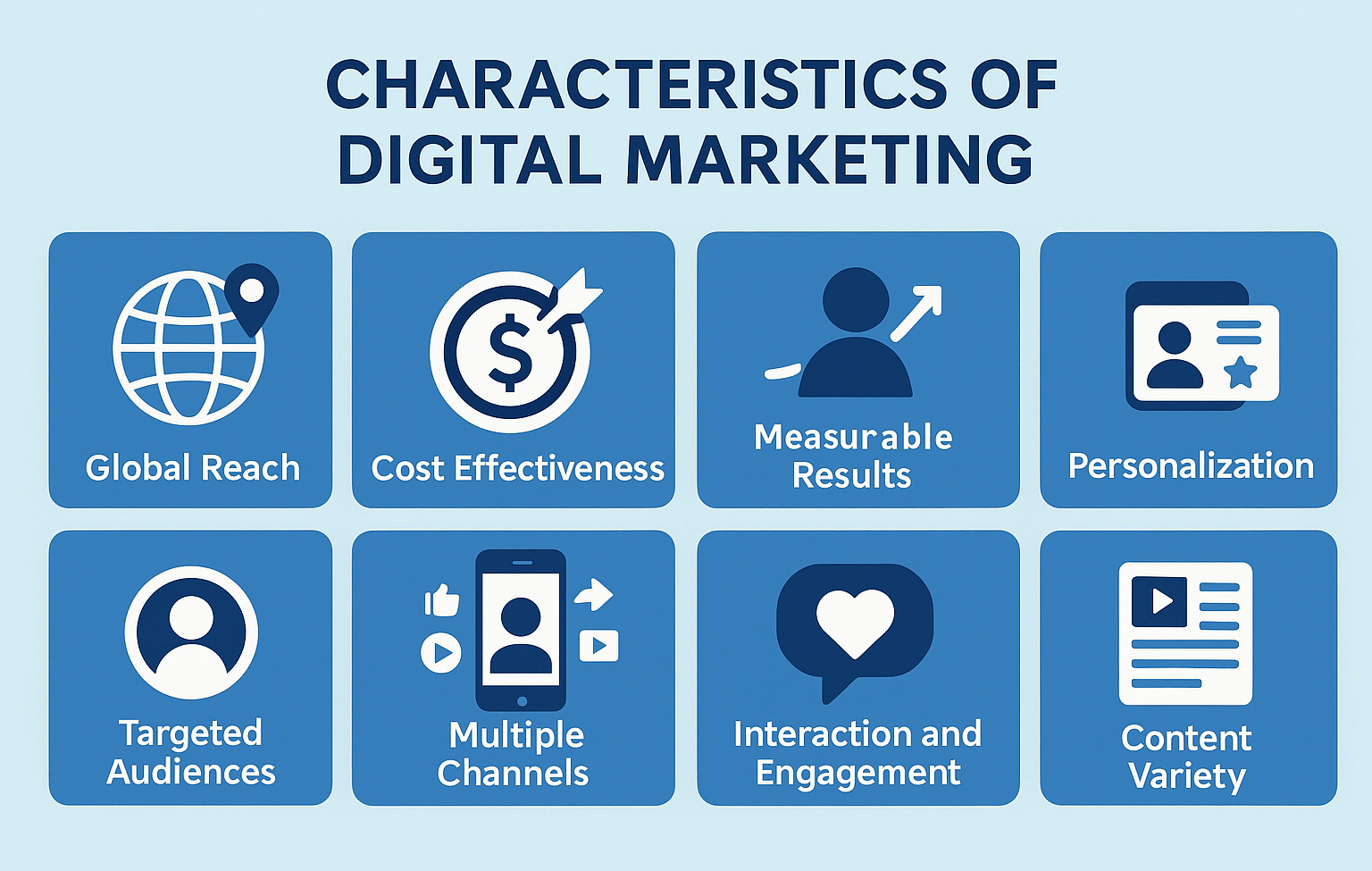
Digital marketing uses online channels to reach, engage, and measure audiences. This guide breaks down the 13 core characteristics of digital marketing — with real examples and quick tips so you can apply each feature to your campaigns today.
Table of Contents
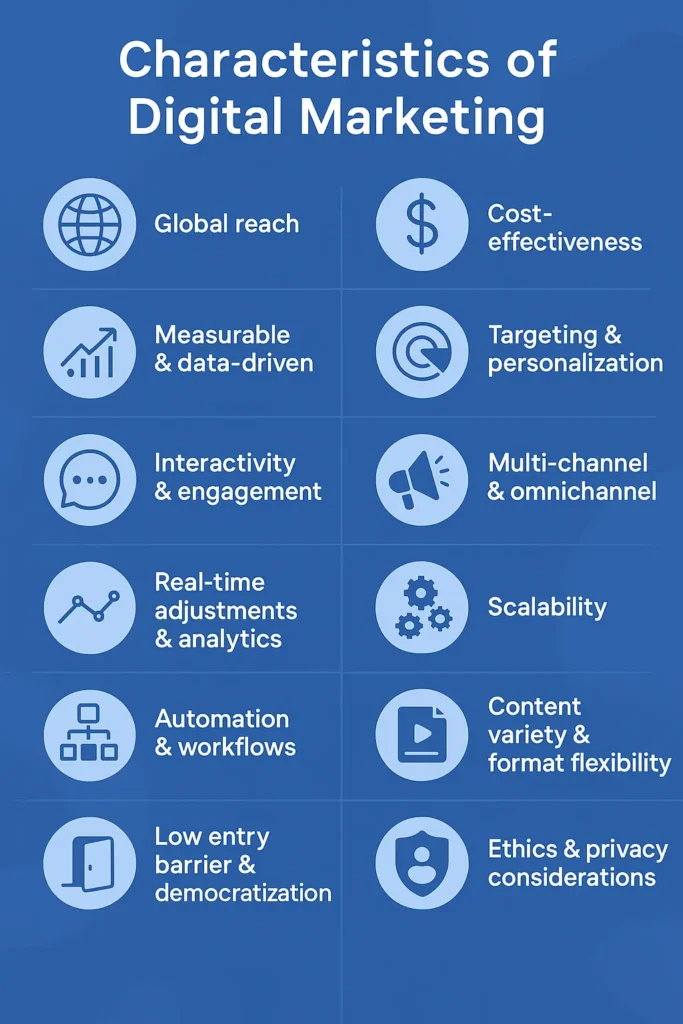
Characteristics of Digital Marketing
Below is the list of 13 key characteristics of digital marketing that worked.
1. Global Reach
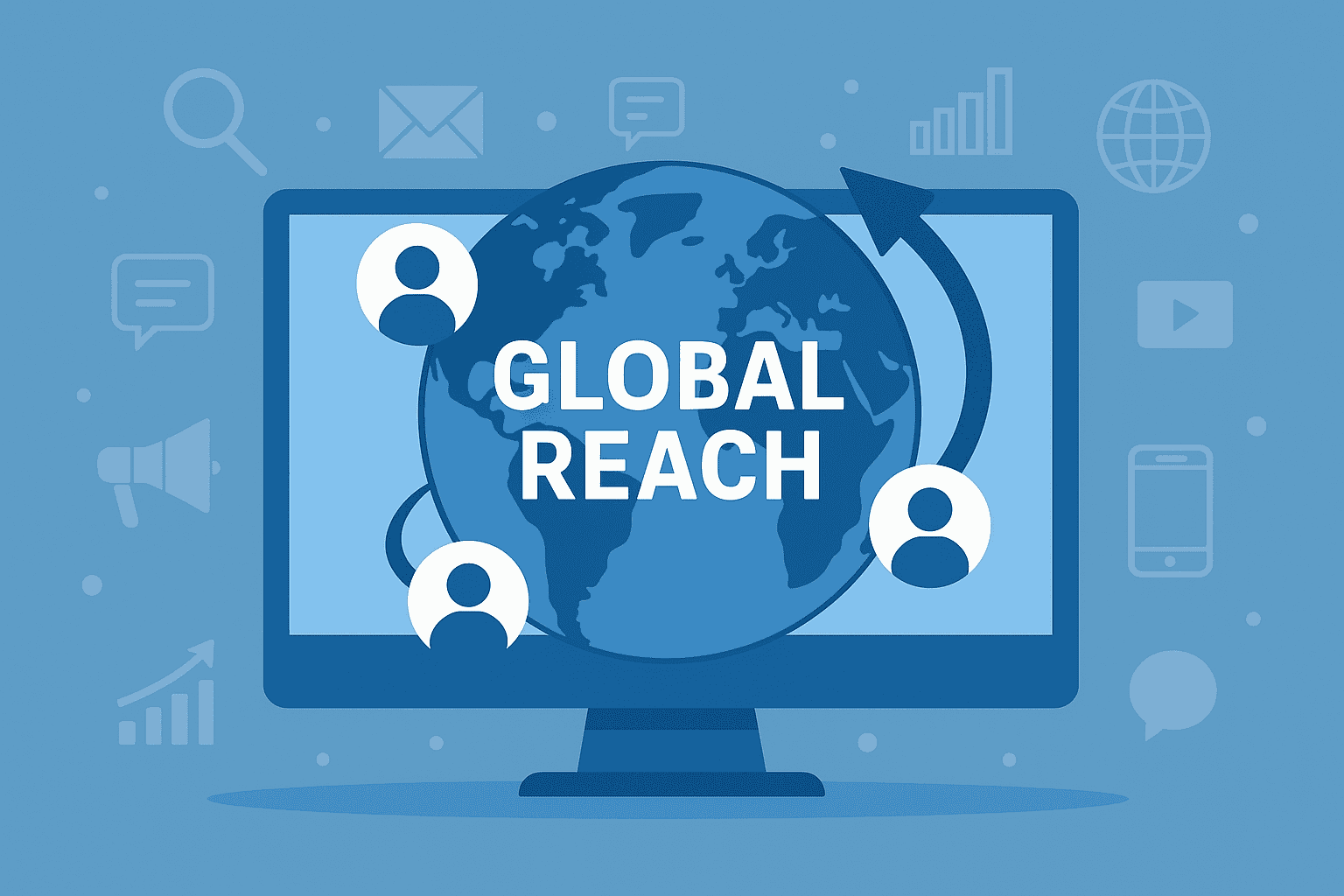
Instead of being limited by geography, digital marketing can span borders. A brand in Chennai can reach potential customers in Nairobi, New York, or Tokyo with the right online campaign. For example, when a small e-commerce startup uses social media advertising targeted at international audiences, it leverages digital marketing’s global reach. This characteristic means your audience is no longer just local — you can think and act globally.
2. Cost Effectiveness
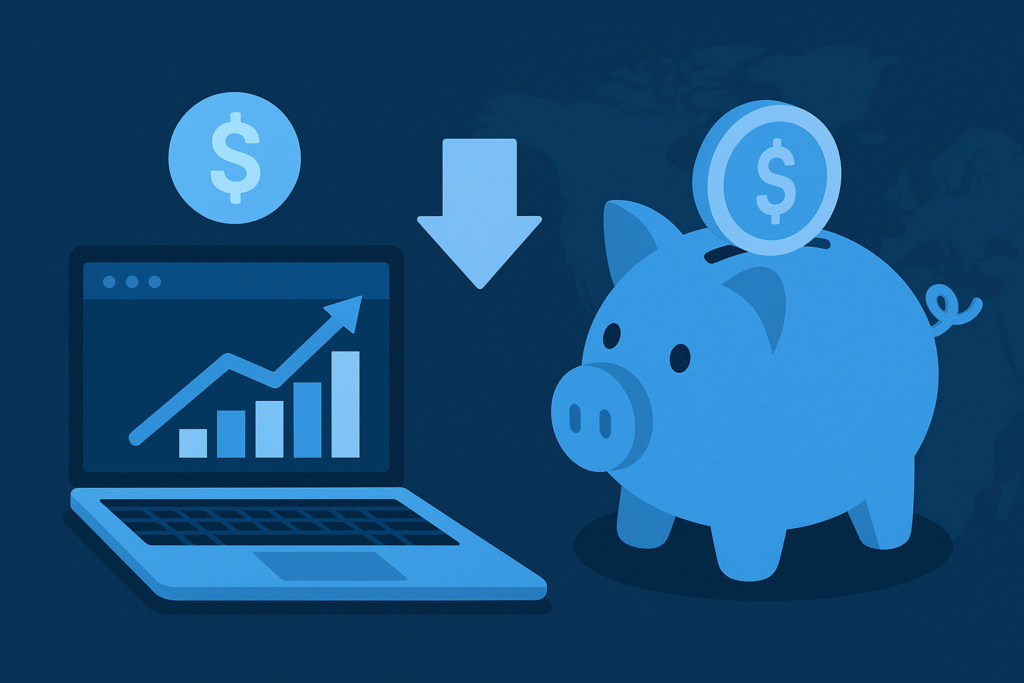
Digital channels often allow you to spend less money than traditional methods and still achieve meaningful impact. For instance, running a targeted Facebook or Instagram ad campaign can cost far less than producing and airing a national TV commercial. Because you can adjust budgets, monitor performance, and scale up or down, you get more control over your investment. So, cost effectiveness means you get better value for money (when done right) in digital marketing.
3. Measurable & Data-driven results
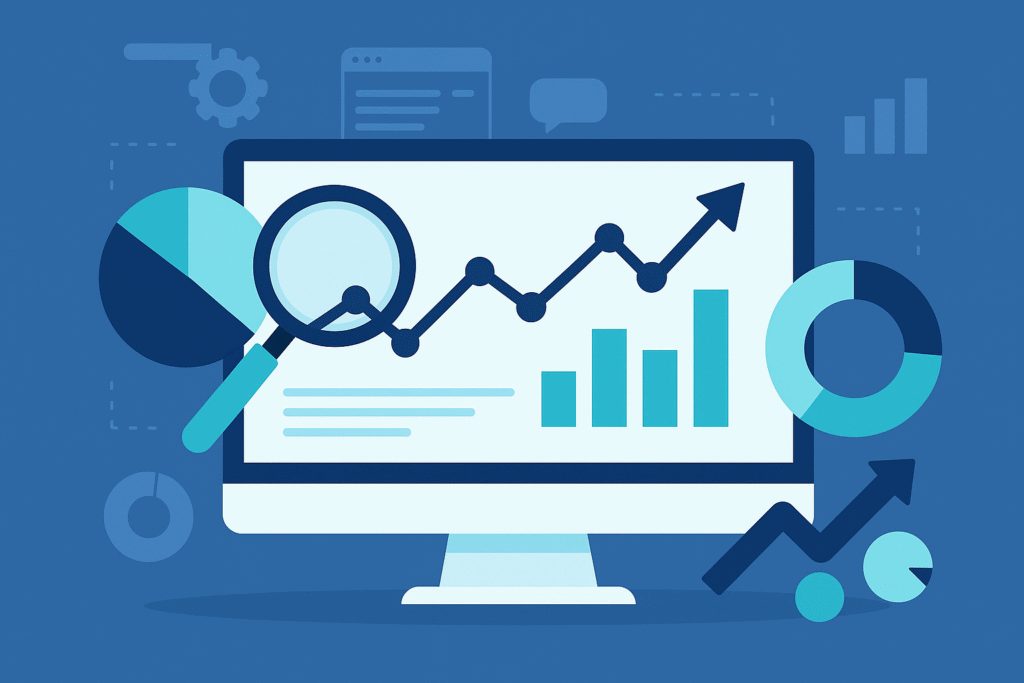
One of the standout features is how digital marketing lets you track almost everything: how many people clicked your ad, how many landed on your website, how long they stayed, what action they took. Sources note that digital marketing offers “measurable results” as a defining trait. (Binnie Media)
For example: a brand runs a Google Ads campaign and within hours sees how many conversions came in, what cost per conversion is — and can tweak accordingly. That kind of real-time measurement wasn’t possible in older offline methods.
4. Targeted Audiences
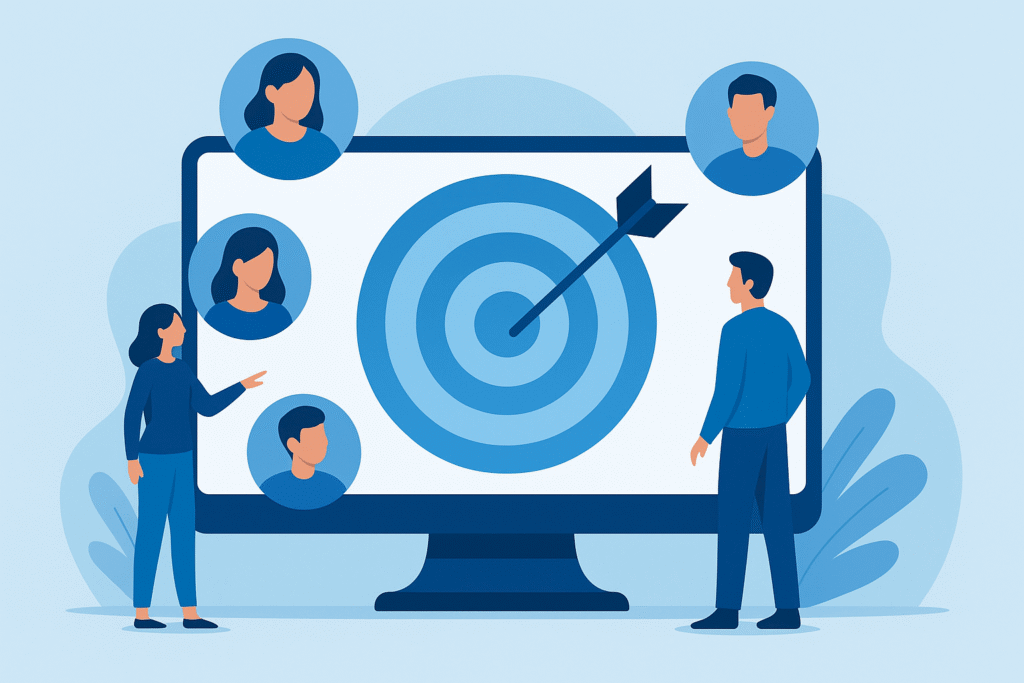
With digital marketing you can aim your message at very specific groups: age ranges, locations, interests, behaviours, even purchase history. This is unlike broad mass-marketing where you hope the right people see your message. For example: a vegan skincare brand might target women aged 18-35, interested in cruelty-free cosmetics, living in major Indian metro-cities. Because digital marketing supports targeting, your message gets to people more likely to respond.
5. Multiple Channels
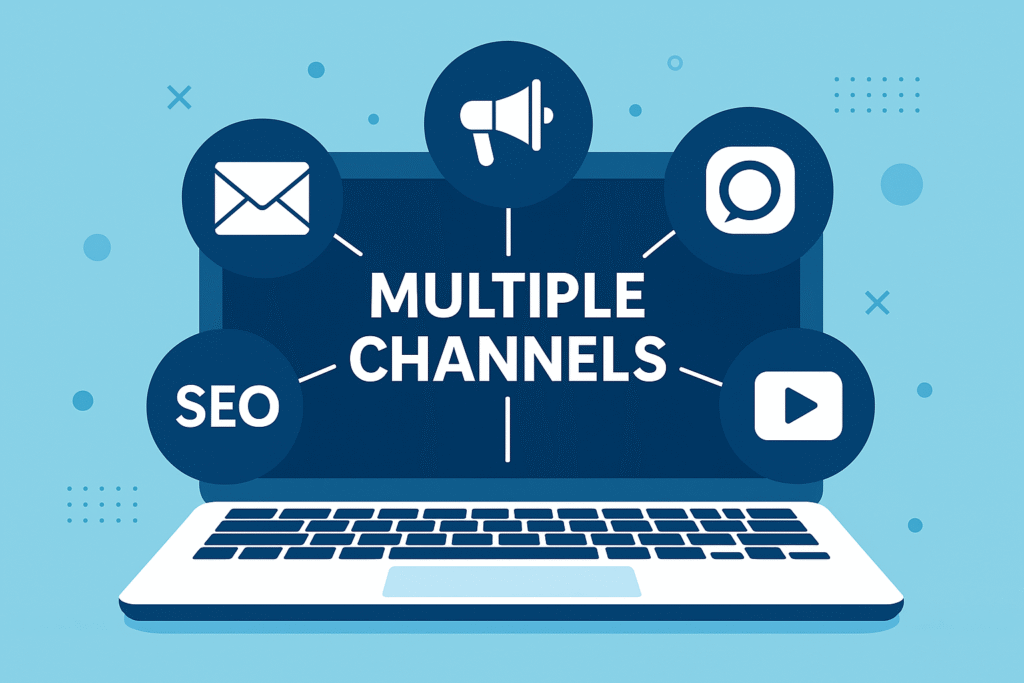
Digital marketing doesn’t mean just “putting your ad online” — it means using a mix of channels: websites, search engines, email, social media, mobile apps, video platforms, and more. From content marketing to influencer collaborations, from PPC ads to organic social posts, multiple channels are available. For example, a campaign that uses YouTube videos, Instagram stories, and email newsletters is leveraging multiple digital channels to reach and engage different audience touchpoints.
6. Personalisation
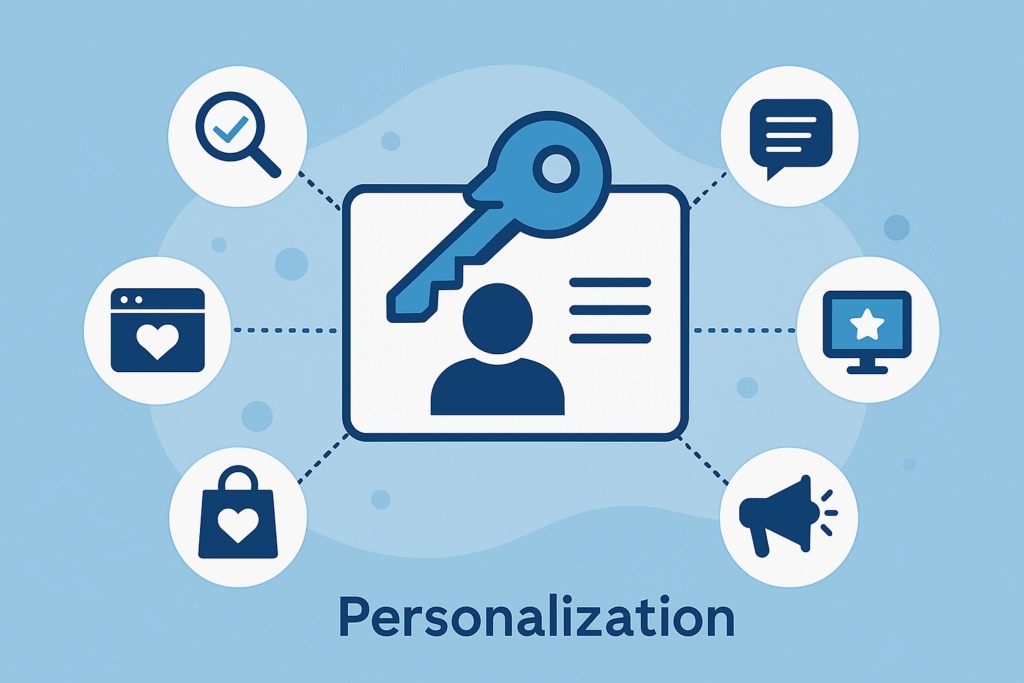
Because you can collect data and understand user behaviour, digital marketing allows you to tailor messages and experiences to individuals rather than a one-size-fits-all. For instance, an e-commerce site showing “recommended for you” products based on your browsing history is doing personalisation. According to multiple analyses, the ability to personalize interactions is a key difference between digital marketing and traditional marketing.
Personalisation fosters a stronger connection with the audience and can boost conversions, loyalty, and brand relevance.
7. Interaction and Engagement
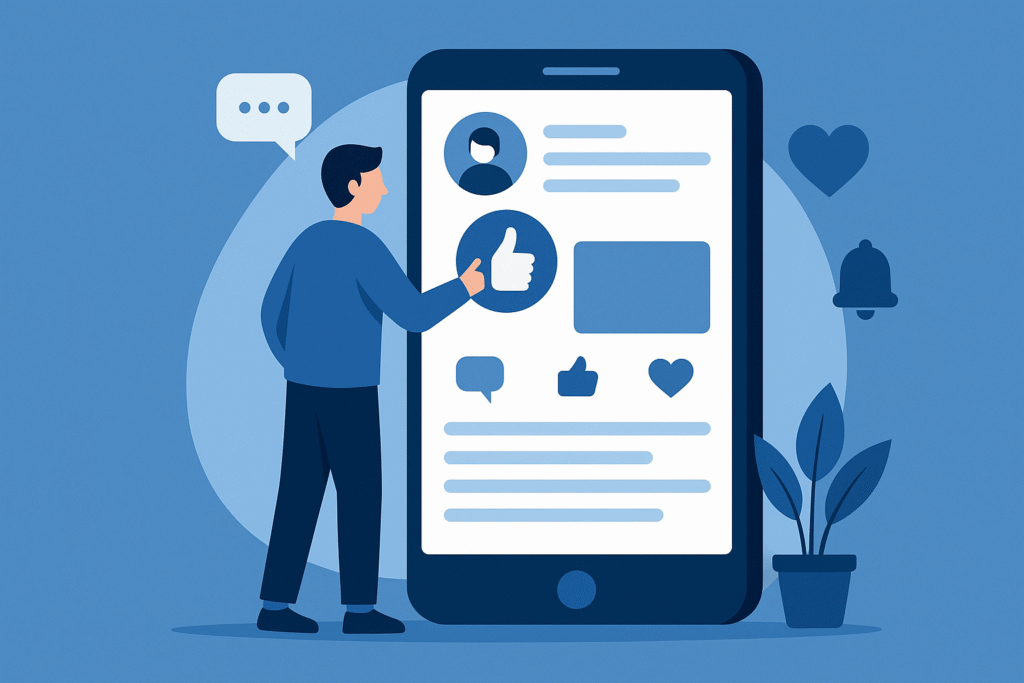
Digital marketing isn’t just one-way messaging; it invites interaction. Audiences can like, comment, share, click, respond, give feedback. For example: a brand posts a poll on Instagram Stories asking “Which new product colour would you prefer?” and users respond — that’s interaction. The characteristic of engagement is what turns passive viewers into active participants. According to sources, digital marketing’s ability for “interactivity and engagement” sets it apart. (baltictimes.com)
This dynamic builds relationships rather than simply broadcasting.
8. Content Variety and Format Flexibility
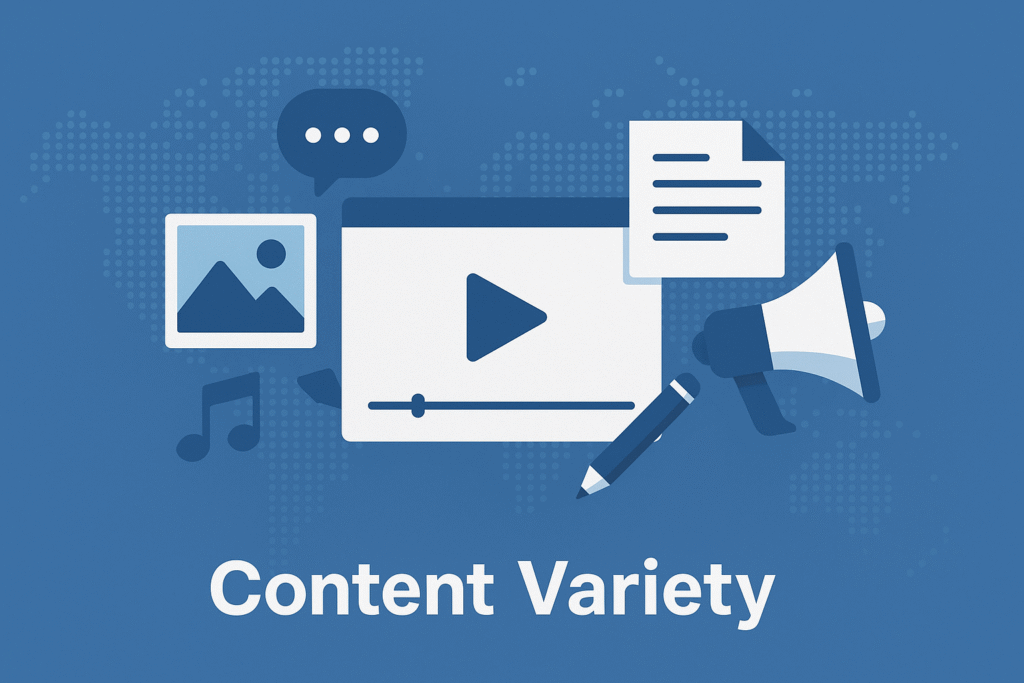
In the digital world, content takes many forms — blog posts, videos, podcasts, infographics, memes, live streams, webinars. Because of this, you can match content to the audience and channel. For example: a tutorial video on YouTube, a quick tip reel on Instagram, a long-form article on your blog — all part of content variety. The feature “content variety” allows a brand to express its message in formats that suit both channel and audience preference.
This flexibility means digital marketing is not limited by format — you can choose the form that best engages your audience.
9. Scalability
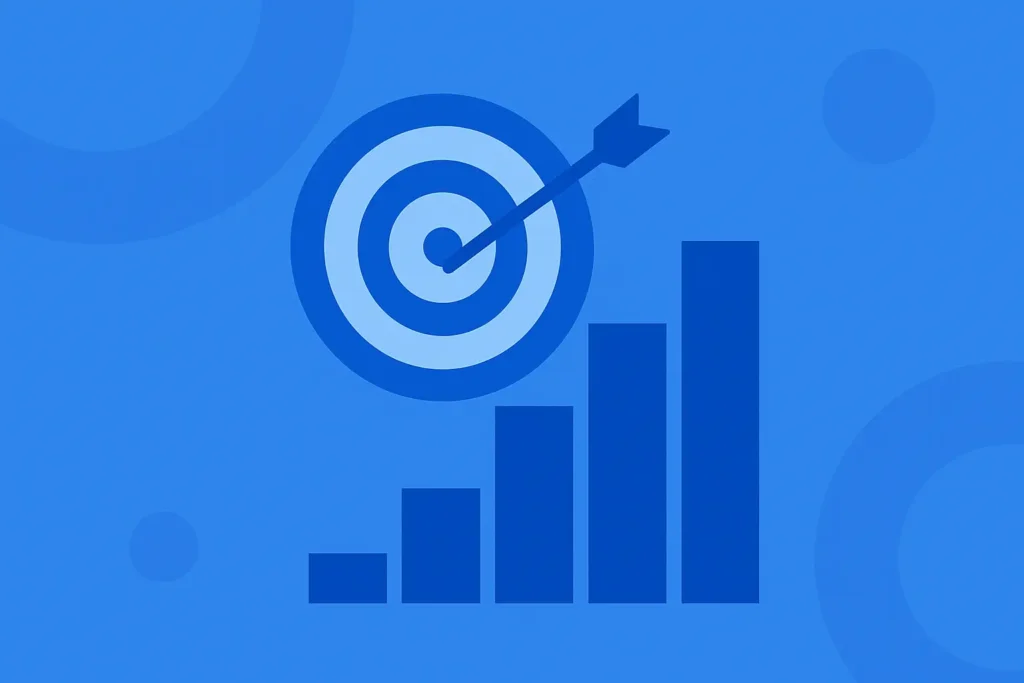
Digital marketing scales effortlessly — whether you’re a freelancer running small campaigns or a brand handling millions of users. You can expand campaigns, budgets, audiences, or content output without rebuilding the entire system.
Example: A brand can start with a ₹500 Facebook ad budget, test results in a small audience, and gradually expand it to nationwide targeting based on performance.
Practical tip: Begin with micro-campaigns. Once you see which ad sets or keywords perform best, scale only the winning versions instead of increasing all budgets blindly. This reduces waste and increases ROI.
10. Real-time Adjustments & Analytics

One of the biggest advantages of digital marketing is the ability to analyze performance in real time and make instant adjustments. Unlike traditional marketing—where you wait days or weeks to see results—digital platforms show live data about clicks, impressions, conversions, audience behavior, and engagement. This allows marketers to fix what’s not working and boost what is, without wasting the budget.
Example:
A Google Ads campaign might show a high cost-per-click (CPC) within the first few hours. With real-time analytics, you can immediately pause low-performing keywords, adjust bids, change ad copy, or switch to a better audience — all on the same day.
Practical tip:
Check your campaign dashboards 1–2 times a day. Use simple rules such as:
- If a keyword spends money but brings no conversions → pause it.
- If a post gets higher engagement than usual → boost it immediately.
- If bounce rate increases, → check your landing page speed or messaging.
Small real-time corrections prevent loss and significantly improve ROI.
11. Automation and Workflows
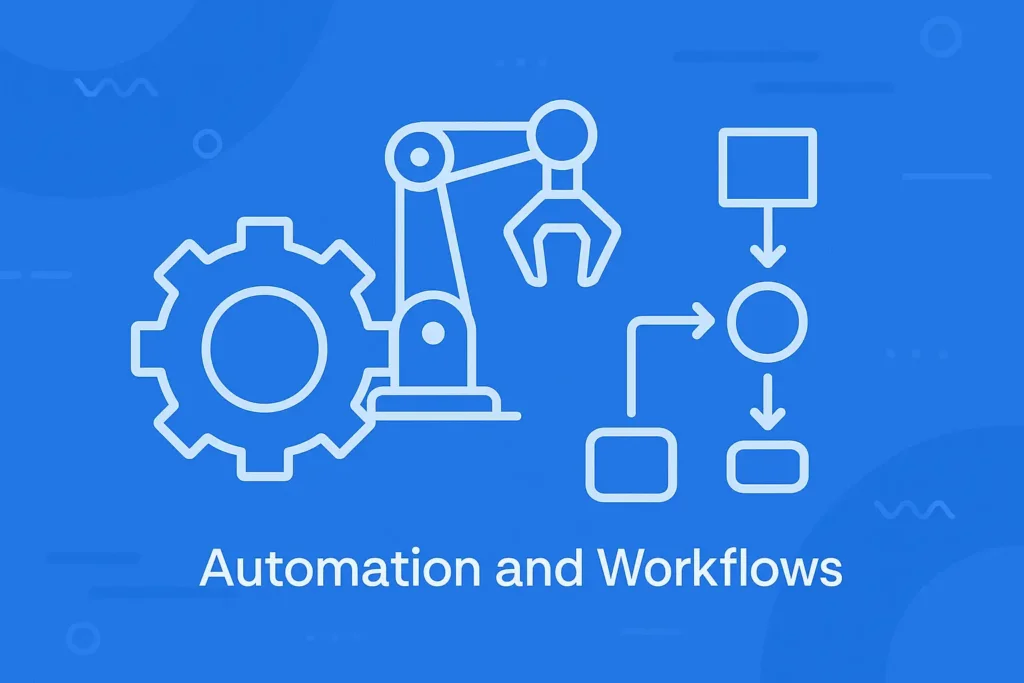
Automation allows repetitive marketing tasks to run without manual work, making campaigns faster, consistent, and more intelligent. Email sequences, chatbots, retargeting ads, CRM triggers, and lead nurturing workflows can run 24/7 based on user behaviour.
Example: When a user downloads a lead magnet, an automated workflow can instantly send them a welcome email, then a follow-up sequence, and finally a promotional offer — without any manual intervention.
Practical tip: Build one simple automation first: “If a user subscribes → send a welcome email → apply a label.” When this basic workflow starts working well, gradually add segmentation and behaviour-based triggers.
12. Low Entry Barrier & Democratization
One of the biggest strengths of digital marketing is that anyone can start — even with limited budget, limited tools, or no formal background. Free tools, free courses, open-source platforms, and low-cost ad budgets allow a small creator to compete with big brands.
Example: A local artist can open an Instagram page, post consistently, use free analytics tools, and run a ₹100-a-day promotion to reach thousands of people — something impossible in traditional advertising.
Practical tip: Start with free or low-cost tools: Google Analytics, Search Console, Mailchimp (free tier), Canva, or WordPress. Improve only when your needs grow. This helps avoid overspending in the beginning.
13. Ethics & Privacy Considerations
Digital marketing relies heavily on user data — which brings responsibilities. Ethical marketing respects user privacy, follows platform policies, avoids manipulative tactics, and uses data transparently. As global privacy laws grow stronger, ethical practices directly affect brand trust and long-term performance.
Example: Collecting email addresses only with clear consent, avoiding dark-pattern popups, and giving users easy access to unsubscribe options reflects ethical and compliant marketing.
Practical tip: Follow simple rules — be clear about what data you collect, avoid over-targeting, and always give users control. Ethical marketing builds credibility and reduces the risk of ad disapprovals, penalties, or loss of trust.
If you want, I can turn this into a checklist or an infographic you can download and share.
Conclusion
To wrap up: digital marketing brings a powerful set of characteristics that distinguish it from older marketing methods — true global reach, cost efficiency, measurable performance, precise targeting, multiple channels, personalisation, engagement and rich content variety. If you understand these characteristics, you can craft strategies that align with how people live, search, shop and connect online today. As marketing continues evolving, holding onto these core traits will help you stay relevant and effective.
Think of digital marketing like a garden with many plots: you have wide reach (planting seeds globally), you nurture with personalised messages, you engage with visitors interacting with the plants, you measure how they grow, and you can choose different plants (content formats) across different soil types (channels). Mastering that garden is what modern marketing is about.

Muhilarasan is a Digital Marketing Freelancer specializing in SEO, content strategy, and online brand growth. He helps businesses improve visibility, attract the right audience, and build a strong presence across digital platforms.

Muhilarasan is a Digital Marketing Freelancer specializing in SEO, content strategy, and online brand growth. He helps businesses improve visibility, attract the right audience, and build a strong presence across digital platforms.
View All Articles